Your Safety First
Hyperbaric Chamber Safety
Understanding the facts about hyperbaric oxygen therapy safety, including why soft-shell home chambers are generally considered suitable for unsupervised home use.
Addressing Safety Concerns
You may have seen news stories about hyperbaric chamber incidents. It's important to understand these events involve hard-shell chambers operating at much higher pressures with pure oxygen environments. These are completely different from home soft-shell chambers.
Hard-Shell Chambers (Clinical)
- Operate at 2.0-3.0 ATA (high pressure)
- Use 100% pure oxygen atmosphere
- Require professional medical supervision
- Fire risk with pure oxygen environment
- Complex equipment requiring trained operators
Soft-Shell Chambers (Home Use)
- Operate at 1.3-1.5 ATA (mild pressure)
- Use ambient air (21% oxygen) or concentrator (up to 95%)
- Safe for unsupervised home use
- No fire risk as there is no pure oxygen atmosphere
- Simple operation with built-in safety features
The Bottom Line
Soft-shell hyperbaric chambers like our Flex 1700 are fundamentally different from clinical hard-shell chambers. They operate at much lower pressures with ambient air, which may contribute to a strong safety profile for home use. To date, there has not been a reported explosion or fire incident involving properly used soft-shell chambers.
Built-In Protection
Safety Features in Every Chamber
Our chambers are engineered with multiple redundant safety features to ensure your complete peace of mind.
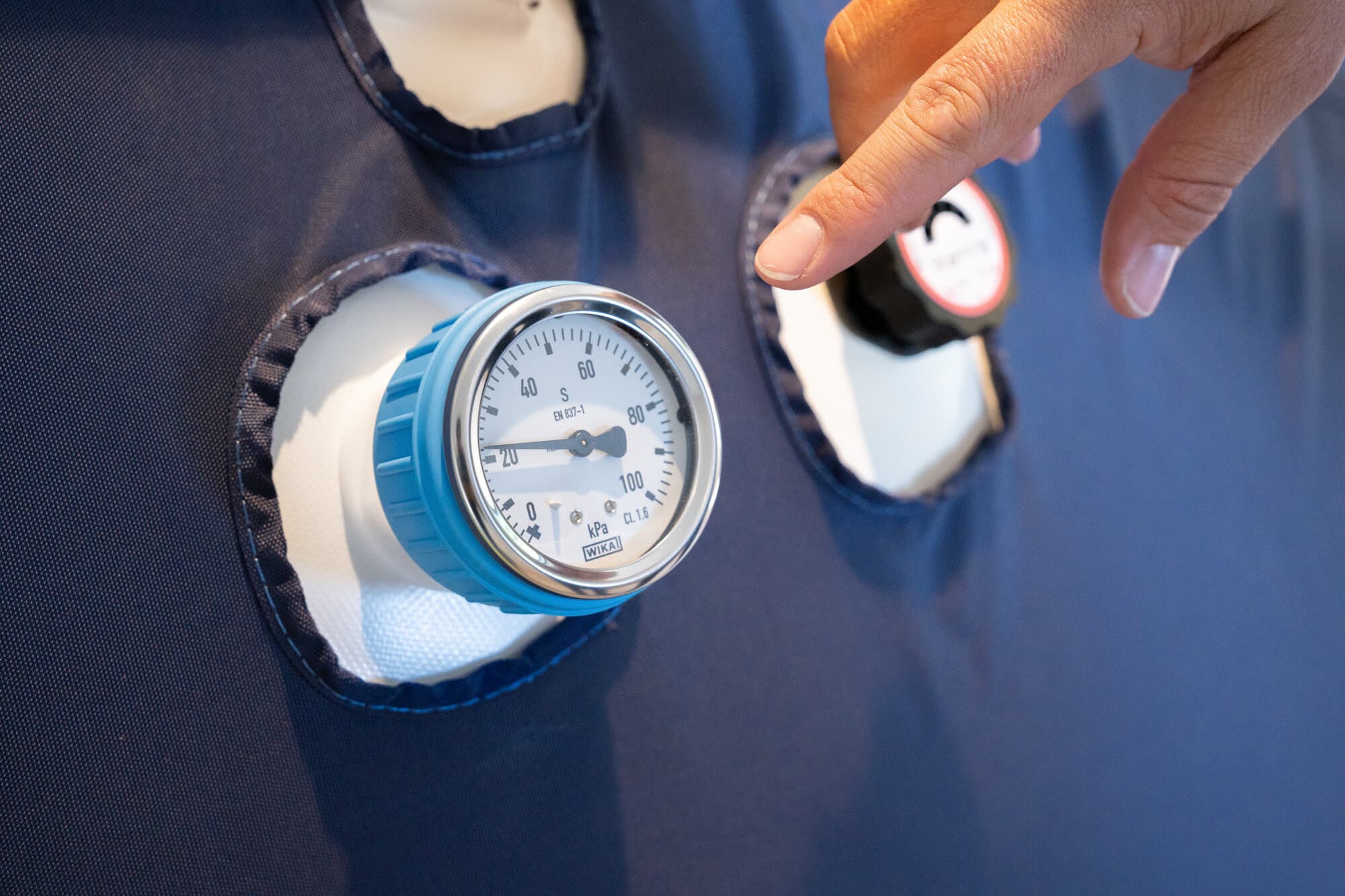
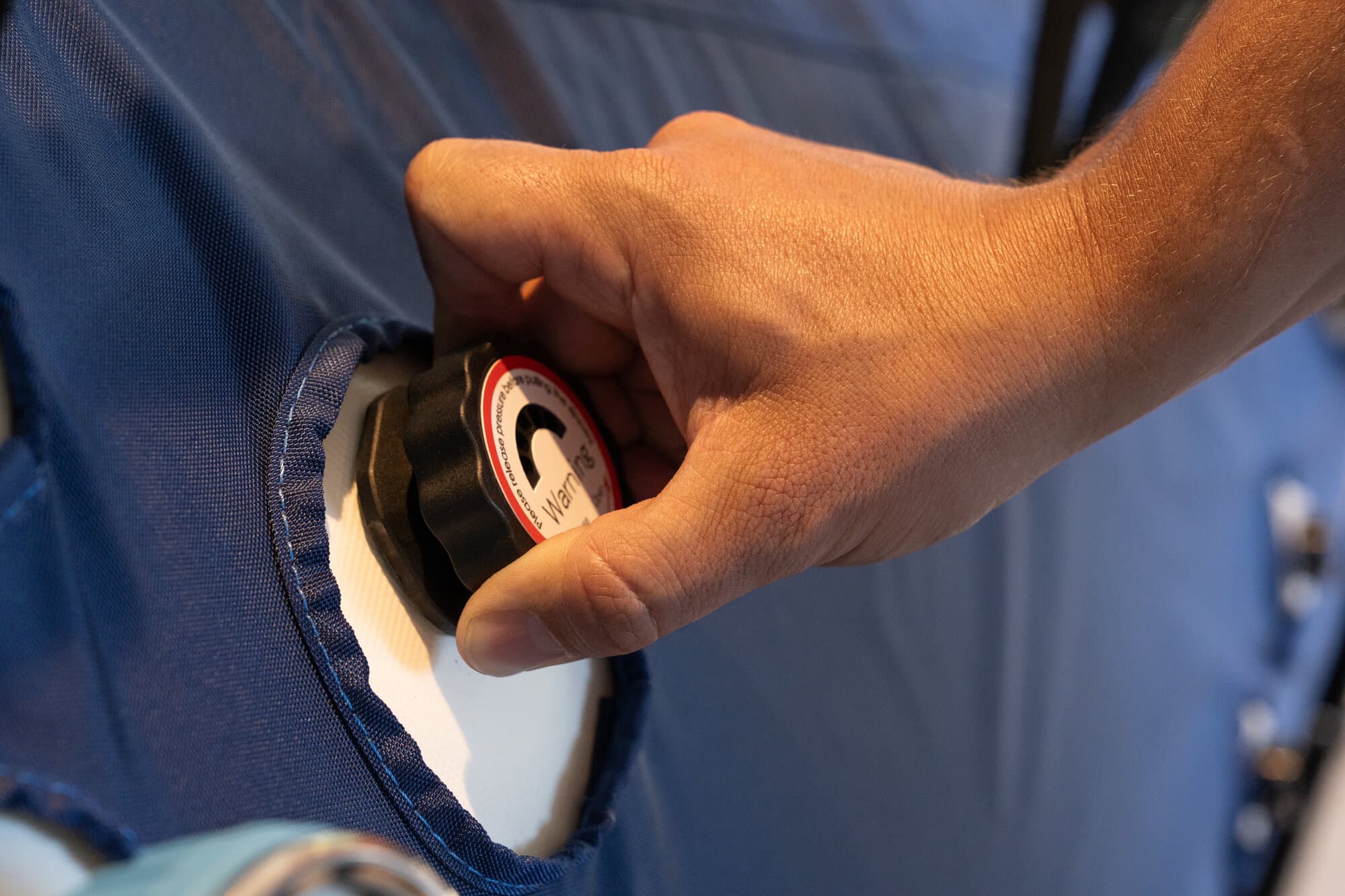
Pressure Relief Valves
Multiple automatic pressure relief valves prevent over-pressurisation, ensuring the chamber never exceeds safe operating limits.
Emergency Release
Quick-release zippers allow immediate exit from the chamber at any time, giving you complete control.
Medical-Grade Materials
Constructed from fire-retardant, medical-grade materials that meet international safety standards.
Clear Communication Windows
Large transparent windows allow visibility and communication with anyone outside the chamber.
Fail-Safe Design
If power is lost, the chamber safely and gradually depressurises on its own.
Quality Certified
Our chambers meet CE, ISO, and other international quality and safety certifications.
What to Expect
Potential Side Effects
Mild hyperbaric oxygen therapy is generally very well tolerated. Some users may experience minor, temporary effects.
Ear pressure or discomfort
Similar to flying, easily managed by swallowing, yawning, or gentle pressure equalisation.
Temporary vision changes
Some users experience slight near-sightedness that resolves within hours after sessions.
Fatigue
Some people feel tired after sessions as the body processes increased oxygen.
Sinus pressure
If congested, you may feel sinus pressure. Best to wait until congestion clears.
Most side effects resolve quickly after the session ends. If you experience persistent discomfort, consult your healthcare provider.
Important Considerations
Who Should Not Use HBOT
While HBOT is generally well tolerated by most people, certain conditions may require caution or medical consultation first.
| Condition | Status |
|---|---|
| Untreated pneumothorax (collapsed lung) | Do Not Use |
| Certain types of ear surgery or ear conditions | Consult Doctor |
| Severe claustrophobia | Consult Doctor |
| Upper respiratory infections or severe congestion | Wait Until Resolved |
| Uncontrolled high fever | Wait Until Resolved |
| Certain medications (consult your doctor) | Consult Doctor |
Always consult your doctor before starting hyperbaric oxygen therapy if you have any medical conditions or concerns. We're happy to discuss your situation during a free consultation.

Have Safety Questions?
Our team is happy to discuss any safety concerns and help you determine if hyperbaric therapy is right for you.